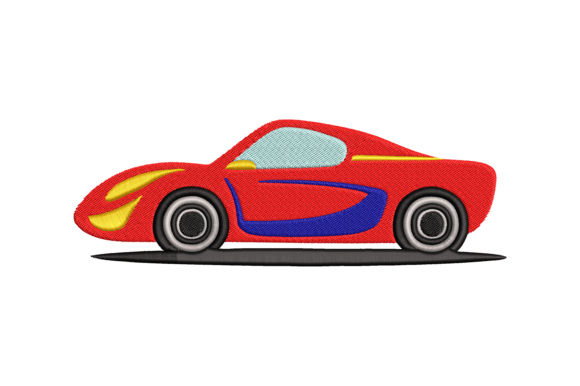
Car Embroidery Design Review for Craft Fairs
First Impressions of the Car Design
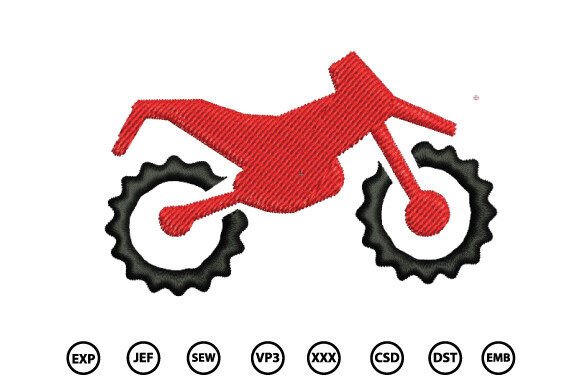
The Car embroidery design immediately stands out with its whimsical charm. The title and description suggest a playful yet elegant motif, and that's exactly what it delivers. It feels modern with a touch of farmhouse appeal, making it versatile for a wide range of handmade products. The imagery is clean, with enough detail to be engaging but not so intricate that it overwhelms the fabric.
This design has a bold presence without being too overwhelming, which makes it ideal for craft fair products where visual appeal is key. Whether stitched on a tea towel or an apron, the Car design brings a sense of fun and sophistication that can easily catch a customer's eye from across the booth.
Performance on Various Products
When evaluating how the Car design performs on different items, it shines particularly well on tote bags, pillow covers, and handmade gifts. On a tote bag, the design becomes a focal point—it’s large enough to make a statement but still maintains a balanced look. The same goes for apron embroidery, where the Car adds a charming accent that complements the practicality of the item.
For tea towel embroidery, the Car design works beautifully as a small accent. It doesn’t overpower the fabric and instead adds a subtle touch of personality. As an embroidered patch, it looks great on denim jackets or backpacks, especially when paired with complementary thread colors.
The design also translates well to caps and small fabric pouches, though care must be taken with stitch density and stabilizer use to maintain clarity on curved surfaces. When used on market bags, it gives the product a unique edge, setting it apart from generic items at craft fairs.
Practical Selling and Production Points
The Car design is easy to understand at a glance, which is crucial for craft fair products that need to grab attention quickly. It works both as a small accent and a large focal design, giving sellers flexibility in how they incorporate it into their product line.
Photographically, the design performs well for Etsy listings and printable mockups. Its clean lines and bold imagery translate well in digital formats, helping small shop products stand out online. For commercial embroidery, the design is repeatable and consistent, making it suitable for batch production.
However, it's important to test the machine embroidery design on scrap fabric first to ensure that the stitch density and thread colors work well with the intended fabric. Also, check the hoop size and consider using the right stabilizer to avoid puckering or distortion.
Careful-Use Notes for the Car Design
While the Car design is visually appealing, there are some considerations to keep in mind. Dense stitch areas may require additional support, especially on thick fabric or textured towels. Tiny details might not be visible on smaller sizes, so always review spacing and confirm that the embroidery file is optimized for the desired scale.
On dark fabrics, ensure that the thread colors have enough contrast to maintain visibility. For curved surfaces like cap surfaces, test the design on a sample to prevent misalignment. Additionally, if planning to use the Car design on multiple products, create at least one real mockup to compare fabric colors and ensure consistency across your finished product.
Design Impact on Visual Appeal and Sales
The Car design significantly enhances the visual appeal of any product it adorns. It adds a layer of handmade quality that resonates with customers looking for unique, thoughtful items. This design helps establish brand consistency for Etsy sellers and boutique makers, creating a cohesive look across their product line.
At a craft fair, the Car design contributes to a stronger booth display, drawing in buyers who appreciate whimsical yet refined aesthetics. It increases buyer engagement by offering something memorable and distinctive, which can lead to more inquiries and sales.
Embroidery Designer Tips for Using Car
Before finalizing any craft fair product featuring the Car design, take the following steps:
- Test the design on scrap fabric to see how it stitches up in real life.
- Check thread contrast against the fabric color to ensure visibility.
- Review spacing and adjust if needed for the intended fabric.
- Confirm hoop size and ensure the design fits within the chosen dimensions.
- Inspect stitch density to avoid overloading the fabric.
- Use the right stabilizer to maintain shape and prevent puckering.
- Create at least one real mockup before mass production.
- Compare fabric colors to ensure the design looks consistent across all products.
- Confirm commercial licensing before selling finished products.
By following these tips, you can ensure that the Car design performs well on handmade products and remains a strong asset for your small shop product line.